


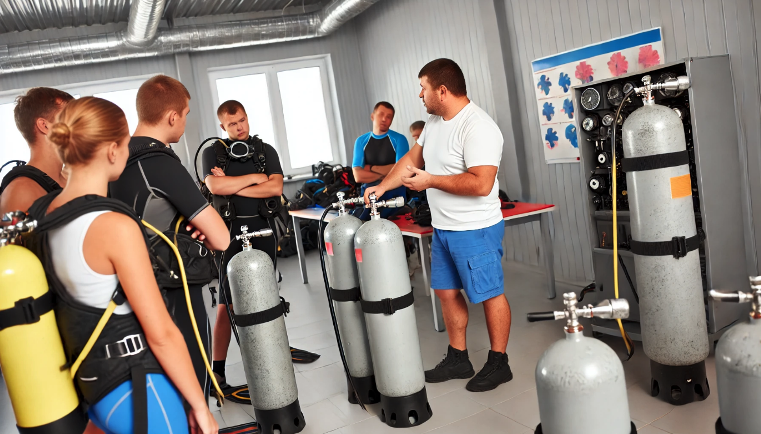
As a diver, your safety relies heavily on the quality and maintenance of your breathing air equipment and compressors. Proper servicing and routine maintenance are not just best practices—they are essential to ensuring safe and enjoyable diving experiences. This guide, provided by Spress, a leading compressor reseller and hiring company, offers valuable insights into maintaining your breathing air equipment and compressors to the highest standards.
1. Breathing Air Equipment: Why Regular Servicing is Essential
Breathing air equipment, including regulators, tanks, and buoyancy control devices (BCDs), is your lifeline underwater. Regular maintenance and servicing are crucial for ensuring these components function correctly and safely.
Recommended Maintenance Intervals:
- Regulators: Regulators should be serviced annually or after 100 dives, whichever comes first. This servicing should include a thorough inspection of O-rings, diaphragms, and the first and second stages.
- Tanks: Dive tanks require a visual inspection (VIP) annually and a hydrostatic test every five years to ensure they maintain structural integrity and are free from internal corrosion.
- BCDs: Your BCD should be inspected and serviced annually, with special attention given to the inflator mechanism and the bladder for leaks or wear.
Why It Matters:
- Prevents Malfunctions: Regular servicing helps prevent equipment malfunctions that could lead to dangerous situations underwater.
- Enhances Longevity: Proper maintenance extends the lifespan of your equipment, providing better value and reliability.
- Ensures Safety: Well-maintained equipment significantly reduces the risk of failure, giving you peace of mind during your dives.
References:
- DAN (Divers Alert Network), “Regulator Maintenance: The Key to a Safe Dive,” 2023.
- PADI, “Dive Tank Maintenance: What Every Diver Should Know,” 2023.
2. Compressors: The Backbone of Safe Diving Operations
Compressors are critical in ensuring that the air you breathe underwater is clean, dry, and safe. Whether you’re a recreational diver or managing a dive operation, understanding the maintenance of your compressors is essential.
Types of Compressors Used in Diving:
- High-Pressure Breathing Air Compressors: These are used to fill diving tanks with compressed air at the necessary pressure levels (usually 200-300 bar). Brands like Bauer are renowned in the industry for their reliability and performance.
- Portable Compressors: Often used for smaller operations or on-site refills, these compressors need to be equally reliable and well-maintained.
Maintenance Best Practices:
- Filter Changes: The air quality depends on the condition of the filters. Change the filters according to the manufacturer’s guidelines, typically every 50 hours of operation or more frequently in humid conditions.
- Oil Checks and Changes: Regularly check the oil levels and quality. For oil-lubricated compressors, change the oil every 500 hours of operation or as recommended by the manufacturer.
- Routine Inspections: Inspect the compressor regularly for any leaks, unusual noises, or signs of wear. Addressing these issues early can prevent costly repairs and downtime.
- Air Quality Testing: Adhere to industry standards such as those from the Compressed Gas Association (CGA) and the National Fire Protection Association (NFPA) by conducting quarterly air quality tests to ensure the air meets the required purity levels.
Recommended Maintenance Timelines:
- Weekly: Inspect compressor filters, oil levels, and look for any leaks or issues.
- Monthly: Perform a more detailed inspection, including pressure tests and valve checks.
- Annually: Schedule a professional service that includes a comprehensive check of all components, air quality testing, and replacement of any worn parts.
References:
- CGA (Compressed Gas Association), “Guidelines for Breathing Air Compressors,” 2023.
- NFPA (National Fire Protection Association), “Air Quality Standards for Breathing Air Compressors,” 2023.
3. Implementing a Maintenance Schedule: A Must for Dive Operators
For dive operators, having a structured maintenance schedule for both breathing air equipment and compressors is non-negotiable. Not only does it ensure the safety of divers, but it also enhances the reliability and efficiency of your operations.
Suggested Maintenance Protocol:
- Daily: Post-dive equipment rinsing and drying, compressor inspection before each use.
- Weekly: Detailed checks of all diving gear and compressor components, focusing on wear and tear.
- Monthly: Conduct air quality tests on compressors and replace filters as needed.
- Quarterly: Professional inspection of compressors, including pressure tests and air purity assessments.
- Annually: Comprehensive servicing of all equipment, including regulators, tanks, BCDs, and compressors.
Why This Matters:
- Operational Efficiency: Regular maintenance reduces the risk of unexpected breakdowns, ensuring your dive operations run smoothly.
- Cost-Effective: Preventive maintenance is far less expensive than dealing with equipment failures and emergency repairs.
- Compliance: Meeting industry standards through regular maintenance helps avoid legal issues and ensures the safety of all divers.